Early childhood education plays an essential role in shaping children's cognitive, emotional, and social development. During their formative years, young children develop important skills through exploration, interaction, and structured learning experiences. Quality educational programs introduce foundational concepts involving language, numbers, creativity, and problem-solving. These experiences help children build confidence and curiosity while preparing them for future academic challenges. For families raising young children, access to supportive early learning environments can contribute significantly to healthy development.
Encouraging Cognitive Development and Critical Thinking
Young children learn best through hands-on activities that stimulate curiosity and imagination. Educational programs incorporate puzzles, storytelling, interactive games, and creative projects to develop reasoning and problem-solving abilities. Facilities such as Ladybird Academy of Dr Phillips represent early childhood education settings where families can explore structured learning opportunities. Activities that encourage observation, experimentation, and exploration help children understand their surroundings while developing essential cognitive skills.
Strengthening Communication and Language Skills
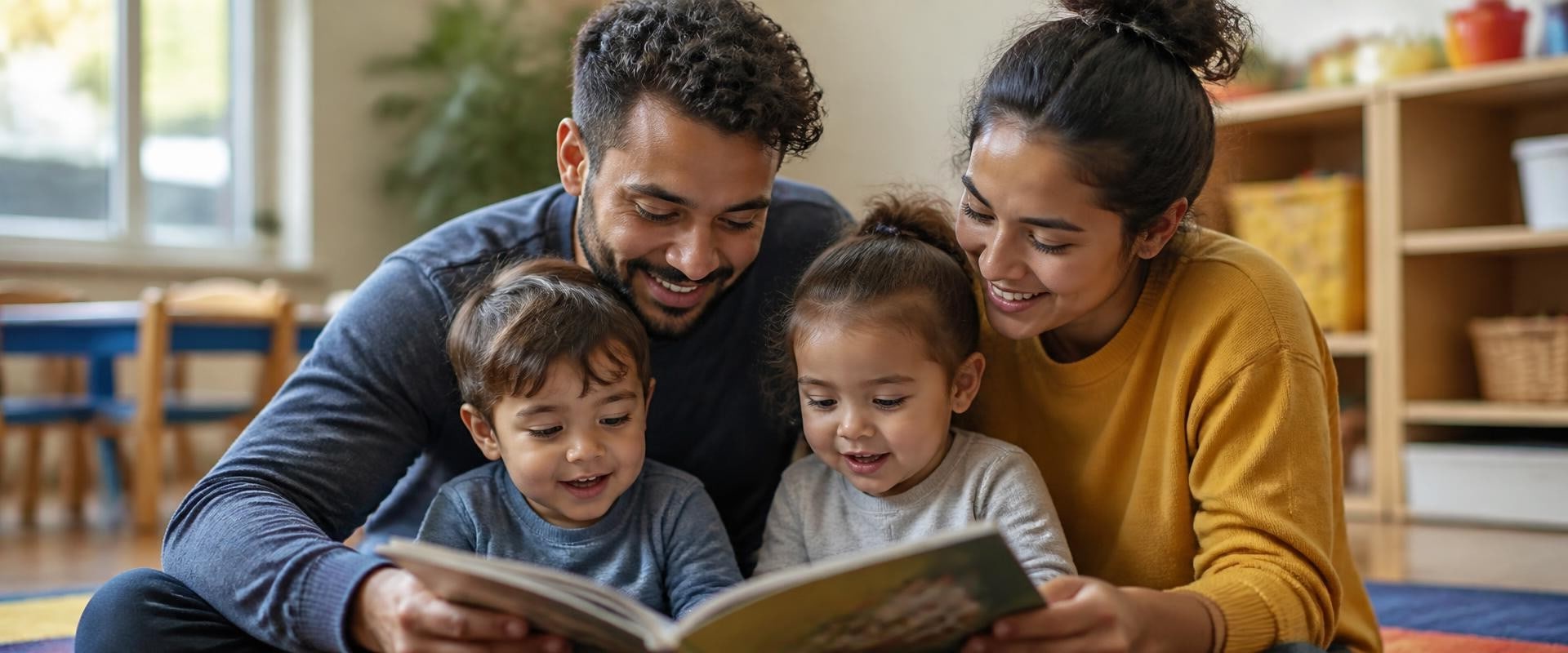
Language development is a fundamental component of early childhood education. Through conversations, reading activities, songs, and storytelling, children gradually expand their vocabulary and improve communication abilities. Regular interactions with educators and classmates also encourage active listening, comprehension, and verbal expression. These experiences establish important foundations for literacy and academic success.
Supporting Social and Emotional Growth
Early education environments provide opportunities for children to interact with peers and develop meaningful relationships. Group activities teach cooperation, patience, sharing, and respectful communication. Children also learn to recognize emotions, manage frustration, and express their needs appropriately. Developing these abilities early can support confidence and positive social interactions.
Encouraging Independence and Responsibility
Structured classroom routines help young children develop independence and understand everyday responsibilities. Activities such as organizing materials, following instructions, and completing simple tasks encourage self-confidence. These experiences prepare children to navigate new environments and develop greater personal responsibility.
Promoting Creativity and Imagination
Creative activities involving art, music, storytelling, and imaginative play encourage children to express themselves. Exploring different materials and ideas supports flexible thinking while making learning enjoyable and engaging.
Helping Children Prepare for Formal Schooling
Early childhood programs introduce routines and learning experiences that support a smoother transition into kindergarten. Children become familiar with classroom expectations, group participation, and age-appropriate educational activities.
Supporting Working Parents and Family Stability
Reliable early education programs help parents balance employment responsibilities with their children's developmental needs. Dependable childcare arrangements can reduce scheduling challenges while providing children with stimulating learning opportunities.
Encouraging Positive Learning Habits at Home
Parents can reinforce early education through daily reading, educational games, and meaningful conversations. Consistent involvement helps strengthen communication and supports children's growing curiosity.
Creating Stronger Family and Community Connections
Early learning environments encourage relationships among parents, educators, and community members. These connections provide opportunities to exchange experiences and support children's development.
Investing in Children's Future Success
Quality early childhood education supports essential skills that influence future learning and personal growth. By prioritizing enriching educational experiences, families can help children develop confidence, independence, and enthusiasm for lifelong learning.