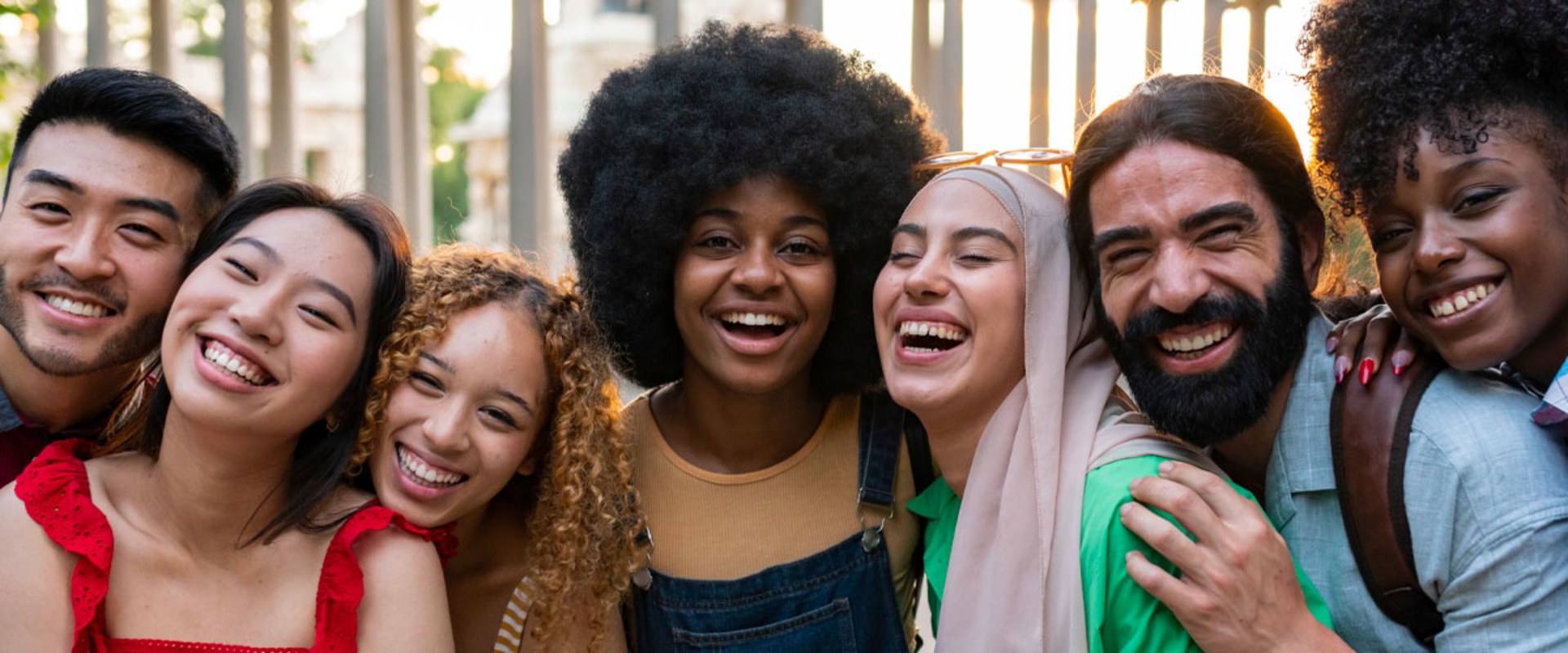
Central Florida is a region characterized by its rich cultural tapestry, where a multitude of ethnicities, languages, and traditions converge. This vibrant diversity significantly shapes the education system in Central Florida , creating a unique landscape that is both challenging and rewarding for students and educators alike. As families from various backgrounds settle in this area, schools are increasingly tasked with the responsibility of fostering an inclusive environment that not only acknowledges but actively celebrates this diversity. For parents navigating the educational journey, understanding this landscape is crucial to ensuring their children receive a well-rounded education that respects and reflects their individual identities.The importance of inclusivity in schools cannot be overstated, especially in a region as diverse as Central Florida.
Schools are not merely places for academic learning; they are also social environments where children develop their identities and learn to interact with peers from different backgrounds. This dynamic is particularly relevant for parenting in Central Florida , as parents seek educational settings that promote acceptance and understanding among students. By prioritizing inclusivity, schools can help children build essential social skills and foster a sense of belonging, which is vital for their overall development.Moreover, the educational landscape in Central Florida is continually evolving to meet the needs of its diverse student population. Initiatives aimed at enhancing cultural competence among educators, implementing bilingual programs, and encouraging parental involvement are just a few examples of how schools are adapting to better serve their communities.
These efforts not only enhance academic performance but also promote social cohesion among students from different backgrounds. As we delve deeper into the various aspects of education in this region, it becomes clear that understanding the interplay between diversity and education is essential for parents who wish to see their children thrive in an increasingly interconnected world.
The Importance of Inclusivity in Education
Inclusivity in education is not merely a trend; it is a fundamental principle that shapes the learning environment for students from diverse backgrounds. The importance of inclusivity cannot be overstated, as it fosters a sense of belonging and acceptance among students, which is essential for their emotional and academic development.When schools embrace inclusive education practices , they create an atmosphere where every student feels valued and respected. This approach recognizes the unique strengths and challenges that each child brings to the classroom, allowing educators to tailor their teaching methods to meet varied needs.For instance, students who may struggle with language barriers or learning disabilities benefit significantly from personalized instruction that acknowledges their specific circumstances.Moreover, the benefits of diversity in schools extend beyond individual student experiences. A diverse classroom enriches the educational experience for all students by exposing them to different perspectives and cultures. This exposure encourages critical thinking and empathy, as students learn to appreciate and understand viewpoints that differ from their own. Such interactions prepare them for a globalized world where collaboration across cultures is increasingly important.Research has shown that inclusive educational environments lead to improved academic outcomes.
Students in inclusive settings often demonstrate higher levels of engagement and motivation, as they feel more connected to their peers and teachers. Additionally, these environments promote social skills development, as students learn to work collaboratively with classmates from various backgrounds.In conclusion, prioritizing inclusivity in education is vital for fostering a supportive learning environment that benefits all students. By implementing inclusive practices, schools not only enhance academic performance but also cultivate a culture of respect and understanding that prepares students for success in an increasingly diverse society.
Key Programs Supporting Diverse Learners
In Central Florida, the education system has made significant strides in implementing key programs that cater to the diverse needs of learners. These initiatives are designed to create an inclusive environment where every student can thrive, regardless of their background.Below are some of the most impactful programs that support diverse learners.
Bilingual Education Programs
Bilingual education is a cornerstone of the efforts to support students whose primary language is not English. Central Florida schools have developed comprehensive bilingual education programs that aim to enhance language proficiency while also promoting cultural understanding. These programs typically include:- Language Acquisition: Students receive instruction in both their native language and English, allowing them to develop fluency in both languages.
- Cultural Integration: Curriculum materials often reflect the cultural backgrounds of students, helping them feel more connected and engaged in their learning.
- Supportive Environment: Bilingual education fosters a sense of belonging, as students learn alongside peers who share similar experiences.
Special Education Services
Another vital component of Central Florida's educational framework is its special education services. These services are tailored to meet the unique needs of students with disabilities, ensuring they receive a quality education.Key features include:
- Individualized Education Plans (IEPs): Each student with a disability is provided with an IEP that outlines specific educational goals and the support needed to achieve them.
- Resource Rooms: Many schools offer resource rooms where students can receive specialized instruction and assistance from trained professionals.
- Inclusive Classrooms: Efforts are made to integrate students with disabilities into general education classrooms whenever possible, promoting social interaction and collaboration.
Cultural Competence in Teaching Practices
In the diverse educational landscape of Central Florida, cultural competence among educators is essential for fostering an inclusive learning environment.This competence enables teachers to understand, respect, and respond to the varied cultural backgrounds of their students, ultimately enhancing the educational experience for all. As classrooms become increasingly multicultural, the need for teachers to be equipped with the skills to navigate these differences has never been more critical.To address this need, many schools in Central Florida have implemented comprehensive teacher training programs focused on cultural competence. These programs are designed to provide educators with the tools necessary to create a classroom atmosphere that values diversity and promotes equity. Key components of these training programs often include:
- Workshops on Cultural Awareness: These sessions help teachers recognize their own biases and understand the cultural contexts of their students.
By exploring their own backgrounds and experiences, educators can better appreciate the diverse perspectives present in their classrooms.
- Collaborative Learning Experiences: Teachers engage in group activities that encourage sharing strategies and resources for effectively teaching students from various backgrounds. This collaboration fosters a sense of community among educators and promotes the exchange of best practices.
- Curriculum Development Sessions: Educators work together to integrate diverse perspectives into lesson plans, ensuring that all students see themselves reflected in their education. This approach not only enriches the curriculum but also validates students' identities.
For instance, they may incorporate culturally relevant examples into lessons or adapt their communication styles to connect better with students from different backgrounds.Moreover, schools actively promote parental involvement in this process by hosting community events that celebrate cultural diversity and encourage family engagement. By providing resources and support for parents, schools help them navigate the education system effectively, fostering a collaborative environment where both families and educators work together to support student success.In conclusion, prioritizing cultural competence in teaching practices is vital for creating an equitable educational landscape in Central Florida. By equipping educators with the necessary skills and knowledge, schools can ensure that every child feels valued and understood, ultimately leading to improved academic outcomes and personal growth for all students.
Community Involvement and Parental Engagement
In Central Florida, the role of parental engagement and community involvement is pivotal in shaping the educational experiences of children, particularly those from diverse backgrounds. When parents actively participate in their children's education, it not only enhances academic performance but also fosters a sense of belonging and cultural appreciation among students.One effective way to promote community involvement is through organized events that bring families together.Schools often host activities such as:
- Family Nights: These events allow parents to engage with teachers and other families, creating a supportive network that benefits students.
- Multicultural Fairs: Such fairs celebrate the rich tapestry of cultures represented in the school community, encouraging families to share their heritage and traditions.
- Workshops: Schools can offer workshops that equip parents with tools to assist their children academically, covering topics like homework help and understanding the curriculum.
- Encouraging Volunteerism: Engaging parents as volunteers in classrooms or during school events enriches the learning environment and empowers them to take an active role in their child’s education.
- Providing Resources: Schools should offer resources and support for parents to help them navigate the education system effectively, ensuring they are informed about available programs and services.
- Hosting Community Meetings: Regular meetings can facilitate open dialogue between parents and educators, allowing for collaborative decision-making that reflects the diverse needs of the student population.
Ultimately, when parents are engaged and communities come together, children are better equipped to thrive in an increasingly diverse world.
Challenges Faced by Diverse Students and Solutions Implemented
Students from diverse backgrounds in Central Florida face a myriad of challenges that can significantly impact their educational experiences. These challenges often stem from language barriers, cultural differences, and socioeconomic disparities, which can hinder their ability to thrive in a traditional classroom setting.Language Barriers
One of the most pressing issues is the presence of language barriers. Many students enter the education system as English language learners (ELL), which can create obstacles in communication and comprehension. For instance, a student who speaks Spanish at home may struggle to understand lessons delivered in English, leading to frustration and disengagement.
This challenge not only affects academic performance but can also impact social interactions with peers.
Cultural Differences
Cultural differences can also pose significant challenges. Students from various ethnic backgrounds may find it difficult to relate to the curriculum or feel alienated in an environment that does not reflect their cultural heritage. This disconnect can lead to feelings of isolation and a lack of belonging, which are crucial for a positive educational experience.
Socioeconomic Disparities
Additionally, socioeconomic disparities play a critical role in shaping the educational landscape for diverse students. Families with limited financial resources may struggle to provide necessary school supplies, extracurricular opportunities, or even stable housing.
These factors can create an uneven playing field, making it difficult for students to focus on their studies and achieve their full potential.
Solutions for Educational Equity
In response to these challenges, schools in Central Florida have implemented several innovative solutions aimed at promoting educational equity:
- Bilingual Education Programs: These programs are designed to support ELL students by providing instruction in both their native language and English. This dual approach not only aids language acquisition but also helps students feel more included in the school community.
- Cultural Competency Training: Educators receive training focused on understanding and addressing the diverse needs of their students. This training equips teachers with the skills necessary to create an inclusive classroom environment that respects and values all cultural backgrounds.
- Wraparound Services: Many schools have partnered with local organizations to offer wraparound services that address both academic and non-academic needs. These services may include tutoring, mental health support, and after-school programs tailored to the unique challenges faced by diverse learners.
- Community Engagement Initiatives: Schools actively engage families through community events and workshops that promote cultural awareness and parental involvement.
By fostering strong connections between home and school, educators can better support students' diverse backgrounds.
Success Stories: Impact of Supportive Education on Diverse Students
In Central Florida, the education system has made remarkable progress in supporting students from diverse backgrounds, leading to numerous inspiring success stories that highlight the transformative impact of these initiatives. These narratives not only showcase individual achievements but also reflect the collective efforts of educators, families, and community organizations working together to create an inclusive educational environment.One compelling example is that of Maria , a first-generation immigrant who faced significant challenges when she entered the school system. Initially struggling with language barriers, Maria found herself overwhelmed in a new environment.However, thanks to the dedicated support of bilingual education programs and passionate ESL teachers, she was able to improve her English skills dramatically. With personalized attention and culturally relevant materials, Maria not only caught up with her peers but also excelled academically. Her hard work culminated in earning a scholarship to a prestigious university, where she now pursues her dreams.Another inspiring story is that of Jamal , a student diagnosed with learning disabilities who often felt lost in traditional classroom settings. Recognizing his unique needs, his school implemented individualized education plans (IEPs) tailored specifically for him.
With access to specialized resources, including one-on-one tutoring and assistive technology, Jamal discovered his passion for science. Today, he is pursuing a degree in environmental science and aims to make a positive impact in his community.These success stories extend beyond individual achievements; they reflect the broader impact of supportive educational programs. For instance, the Partnership for Student Success initiative has been instrumental in connecting families with essential resources that promote academic success. This program has helped countless students from low-income families gain access to after-school programs and mentorship opportunities that were previously out of reach.Moreover, schools in Central Florida are increasingly recognizing the importance of cultural competency in education.
By integrating diverse perspectives into the curriculum and celebrating various cultural events, students feel more valued and understood. This inclusive approach not only fosters a sense of belonging but also encourages students to share their unique experiences, enriching the learning environment for everyone.In summary, these success stories illustrate that when educational institutions prioritize supportive measures for diverse students, the results can be transformative. The impact of such initiatives is evident not only in academic performance but also in the personal growth and confidence of students as they navigate their educational journeys.
Future Directions for Education in Central Florida
As Central Florida continues to grow and diversify, the future of education in the region must adapt to meet the evolving needs of its student population. Educational reforms are essential to ensure that all children, regardless of their backgrounds, receive equitable opportunities for success.This commitment to inclusivity is not just a trend; it is a necessity for fostering a thriving educational environment.One promising direction is the implementation of culturally responsive teaching. This approach encourages educators to incorporate students' cultural references into the learning process, fostering a more inclusive environment. By recognizing and valuing diverse backgrounds, schools can enhance student engagement and academic performance. Teachers trained in this methodology are better equipped to connect with their students, making lessons more relevant and impactful.Additionally, expanding dual-language programs can significantly benefit Central Florida's educational landscape.
These initiatives not only support English language learners but also promote bilingualism among all students. Such programs can help bridge cultural gaps and prepare students for a globalized workforce, equipping them with valuable skills that are increasingly sought after in today’s job market.Another critical area for improvement is the recruitment and retention of a diverse teaching workforce. Schools should prioritize hiring educators from various backgrounds who can serve as role models for students. This can be achieved through targeted outreach and support programs that encourage underrepresented individuals to pursue careers in education.
A diverse teaching staff not only enriches the learning experience but also fosters an environment where all students feel represented and understood.Furthermore, community partnerships play a vital role in enhancing educational outcomes. Schools can collaborate with local organizations to provide resources and support for families, ensuring that all children have access to extracurricular activities, tutoring, and mentorship programs. These partnerships can create a network of support that extends beyond the classroom, helping students navigate challenges both academically and personally.In conclusion, the future directions for education in Central Florida hinge on embracing diversity through innovative teaching methods, inclusive programs, and community engagement. By prioritizing these initiatives, the education system can create a more equitable landscape that supports every child's potential.
Frequently Asked Questions about Education and Diversity in Central Florida
As parents navigate the educational landscape in Central Florida, they often have pressing questions regarding how schools support children from diverse backgrounds.Understanding these aspects can empower parents to make informed decisions and actively engage in their child's educational journey. Below are some frequently asked questions that address common concerns and provide clarity on available resources.
What resources are available for children with special needs?
Central Florida schools are committed to providing comprehensive support for children with special needs. Resources include:- Individualized Education Plans (IEPs): Tailored plans that outline specific educational goals and the services required to meet those goals.
- Specialized Classrooms: Classrooms designed to cater to the unique learning styles and needs of students with disabilities.
- Access to Trained Professionals: Support from special education teachers, therapists, and counselors who are equipped to assist students effectively.
How do schools promote cultural diversity?
Schools in Central Florida actively celebrate cultural diversity through various initiatives, including:- Cultural Events: Schools host multicultural fairs, heritage months, and other events that allow families to share their traditions and customs.
- Multicultural Curricula: Incorporating diverse perspectives into lesson plans helps students appreciate different cultures and histories.
- Partnerships with Local Organizations: Collaborations with community groups enhance cultural awareness and provide additional resources for students and families.
Are there programs for English language learners?
Yes, Central Florida schools offer specialized programs for English language learners (ELL). These programs focus on:- Language Acquisition: Helping students develop proficiency in English while also supporting their native languages.
- Mainstream Integration: Gradually integrating ELL students into regular classrooms to promote social interaction and cultural exchange.
- Culturally Relevant Materials: Utilizing resources that reflect the backgrounds of ELL students, making learning more relatable and engaging.
What role do parents play in supporting diversity in education?
Parents play a crucial role in fostering diversity within the educational system.They can contribute by:
- Participating in School Events: Engaging in multicultural events, workshops, and parent-teacher meetings helps build a sense of community.
- Joining Parent-Teacher Associations (PTAs): PTAs provide a platform for parents to voice concerns and collaborate with educators on initiatives that support diverse learners.
- Advocating for Inclusive Policies: Parents can work together to advocate for policies that promote equity and inclusion within schools.
How can I find out more about my child’s school’s diversity initiatives?
To learn more about specific diversity initiatives at your child’s school, consider the following steps:- Visit the School Website: Most schools provide detailed information about their programs and initiatives online.
- Contact School Administration: Reach out directly to school officials or counselors for personalized information regarding diversity efforts.
- Attend School Board Meetings: Participating in these meetings allows parents to stay informed about district-wide policies and initiatives related to diversity.